 96 382 55 77


Toothbrushing is the mechanical oral hygiene technique that removes bacterial plaque from tooth surfaces and the gum line through systematic movements with a soft-bristled brush, being the foundation of any caries and periodontal disease prevention protocol.
Despite being a daily task, most people do not perform it correctly: insufficient time, inadequate technique, and forgetting interproximal surfaces cause plaque to accumulate in the most susceptible areas. The result, over time, is caries, gingivitis, and periodontal disease that could have been avoided.
At Asensio Dental Clinic, Dr. Lucía Asensio Romero (Registration No. 46002287) includes personalized oral hygiene instructions in every visit. The first consultation is completely free. To delve deeper into the relationship between hygiene, diet, and halitosis, consult our dental hygiene and halitosis in Valencia page, within our other dental treatments in Valencia area.
Why is toothbrushing important?
Toothbrushing is important because it helps remove bacterial plaque and food debris left on the teeth and gums after eating. If these debris are not removed, they can cause caries, gingivitis, and other dental and health problems. Additionally, regular toothbrushing can prevent tartar buildup, which is a hard accumulation of bacterial plaque that may require professional cleaning.
How often should you brush your teeth?
It is recommended to brush your teeth at least twice a day, once in the morning and once before going to bed. If possible, you should also brush your teeth after each meal. However, it is important to wait at least 30 minutes after eating before brushing your teeth, as the acid in food can weaken dental enamel, and doing it immediately after can damage it.
How long should toothbrushing last?
It is recommended to brush your teeth for at least two minutes each time you do it. This ensures that you have enough time to clean all areas of the mouth adequately.
What is the proper toothbrushing technique?
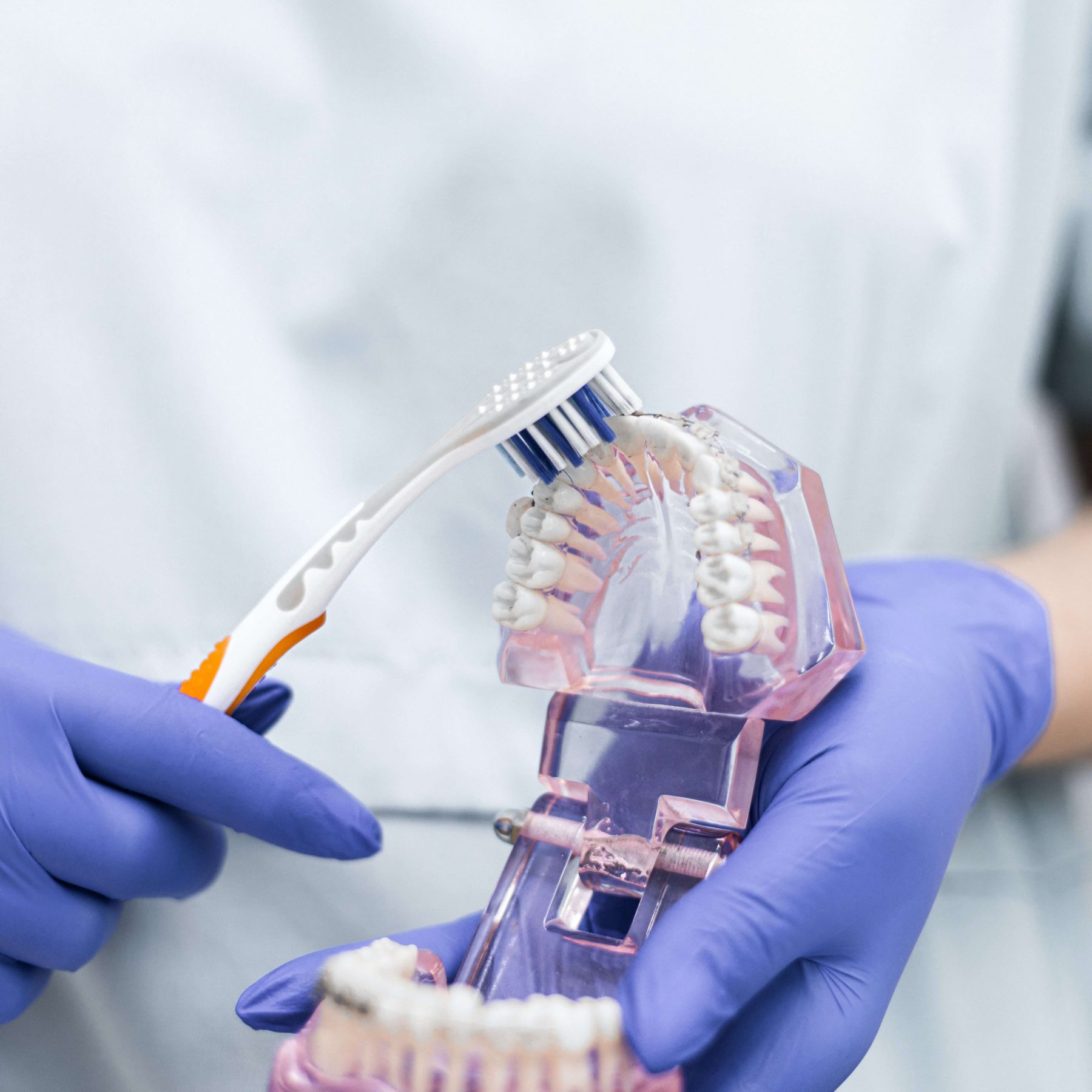
Proper technique is crucial for removing bacterial plaque and preventing dental problems. Follow these steps to brush your teeth correctly:
- Place the toothbrush against the teeth and gums at a 45-degree angle.
- Use circular and back-and-forth movements to gently brush the teeth and gums.
- Make sure to brush all surfaces of the teeth, including the outer, inner, and chewing surfaces.
- Gently brush the tongue and palate to remove bacteria and freshen breath.
What kind of toothbrush should I use?
There are many types of toothbrushes available on the market, but soft-bristled ones are the most recommended. Hard bristles can damage dental enamel and gums. You can also opt for electric toothbrushes, which are more effective at removing bacterial plaque.
Do I need to floss in addition to brushing?
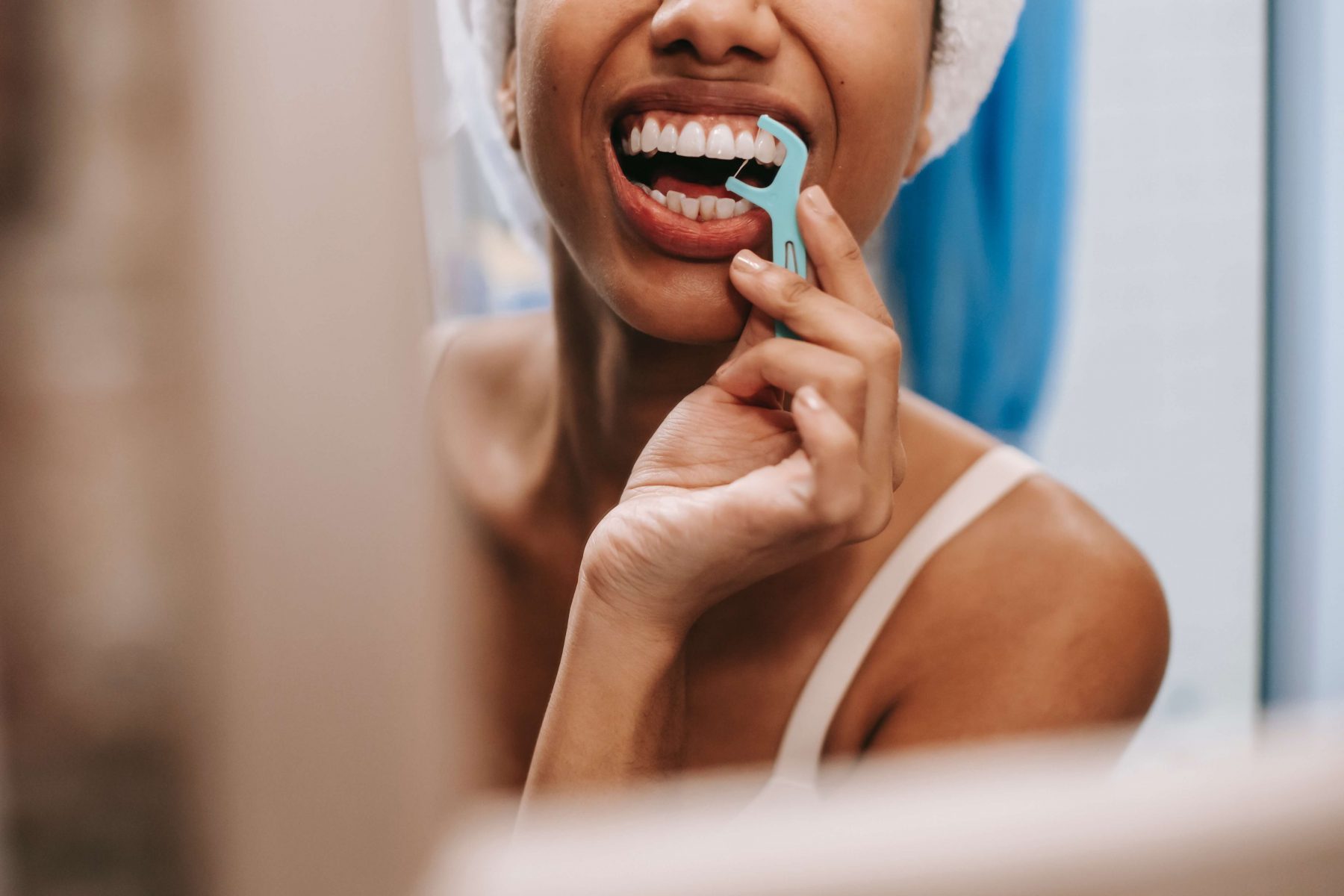
Yes, it is important to use dental floss in addition to toothbrushing. Brushing cannot effectively clean between the teeth and gums, where bacterial plaque accumulates. Using dental floss at least once a day is essential for maintaining good oral hygiene.
Do I need to use mouthwash in addition to toothbrushing?
The use of mouthwash is not necessary, but it can be beneficial for oral health. Mouthwash can help remove bacteria in the mouth and freshen breath. However, it is important to choose an alcohol-free mouthwash, as alcohol can cause dryness in the mouth and other dental problems.
What else can I do to maintain good oral hygiene besides brushing?
In addition to toothbrushing, there are several things you can do to maintain good oral hygiene:
- Use dental floss at least once a day to clean between teeth and gums.
- Limit the consumption of sugary foods and drinks, which can cause caries.
- Visit the dentist regularly for check-ups and dental cleanings.
- Consider using additional products, such as tongue scrapers or oral irrigators, for a deeper clean.
Conclusion
Toothbrushing is a crucial part of oral hygiene. By following proper technique and brushing at least twice a day, you can prevent dental problems like caries, gingivitis, and periodontal disease. Additionally, using floss and visiting the dentist regularly can help you maintain a healthy and radiant smile.
Frequently Asked Questions
Should I brush my teeth before or after breakfast?
It is better to brush your teeth after breakfast, as waiting at least 30 minutes after eating can prevent damage to dental enamel.
What kind of toothbrush is best for children?
For children, small-sized soft toothbrushes are recommended, so they can brush their teeth effectively without damaging their gums.
How can I choose the right mouthwash?
It is important to choose an alcohol-free mouthwash that has the right ingredients for your specific oral health needs. You can consult with your dentist for recommendations.
How often should I visit the dentist?
It is recommended to visit the dentist at least twice a year for regular check-ups and dental cleanings.
Are electric toothbrushes better than manual ones?
Electric toothbrushes can be more effective at removing bacterial plaque, but this does not mean they are necessarily better than manual toothbrushes. It depends on personal preferences and individual needs.