 96 382 55 77


Special needs patients in dentistry are adults and children with medical, cognitive, physical, or psychological conditions —such as Alzheimer’s, ADHD, cerebral palsy, intellectual disability, or autism spectrum disorder— who require differentiated care protocols to ensure safe and effective dental treatment.
Fear, communication difficulties, or a lack of movement control can turn a routine dental visit into a difficult experience for these patients and their families. Without the proper protocol, many end up abandoning oral care, leading to serious consequences for their overall health.
At Asensio Dental Clinic, Dr. Lucía Asensio Romero (Registration No. 46002287) coordinates the care for special needs patients using validated protocols that combine conscious sedation, positive reinforcement techniques, and clinical environment adaptation. The first visit is completely free of charge.

Dental Care for Patients with Alzheimer’s
Dentistry for patients with Alzheimer’s requires a radically different approach than the standard. The progressive cognitive decline characteristic of this disease —memory loss, disorientation, and difficulty following instructions— makes communication and behavior management the main challenges of every visit. An unfamiliar environment, unknown sounds and instruments, and the inability to understand what is happening can generate anxiety that may lead to agitation or active rejection of treatment.
Our protocol for Alzheimer’s patients is structured around four pillars. The first is conscious sedation via nitrous oxide or oral sedatives, administered under continuous vital sign monitoring, which stabilizes anxiety levels without causing loss of consciousness. The second is simplified communication: short sentences with a subject-verb-object structure, systematic repetition of instructions, and the use of visual cues that reinforce understanding. The third is environment adaptation: the operatory is prepared with soft colors and no distracting elements, and staff always present themselves in the same uniform and by name to encourage recognition. The fourth pillar is short and frequent scheduling, with sessions lasting no more than 30 minutes to avoid fatigue and worsening confusion, with documented follow-ups to adjust the protocol as needed.
Conscious sedation for Alzheimer’s patients is always planned in coordination with the patient’s neurologist or primary care physician, reviewing current medications to avoid interactions. For cases requiring deep sedation or general anesthesia, we provide referrals to the appropriate hospital center with a full clinical report.
For cases where orofacial pain is the reason for consultation, please also visit our page on orofacial pain in Valencia.
Dental Care for Patients with ADHD
Attention Deficit Hyperactivity Disorder (ADHD) presents specific challenges in the dental office: the inability to maintain focus for long periods, impulsivity, sensory hypersensitivity, and low frustration tolerance make standard protocols ineffective. A conventional 45-minute treatment in a dental chair can become a traumatizing experience for the child and a source of exhaustion for the professional.
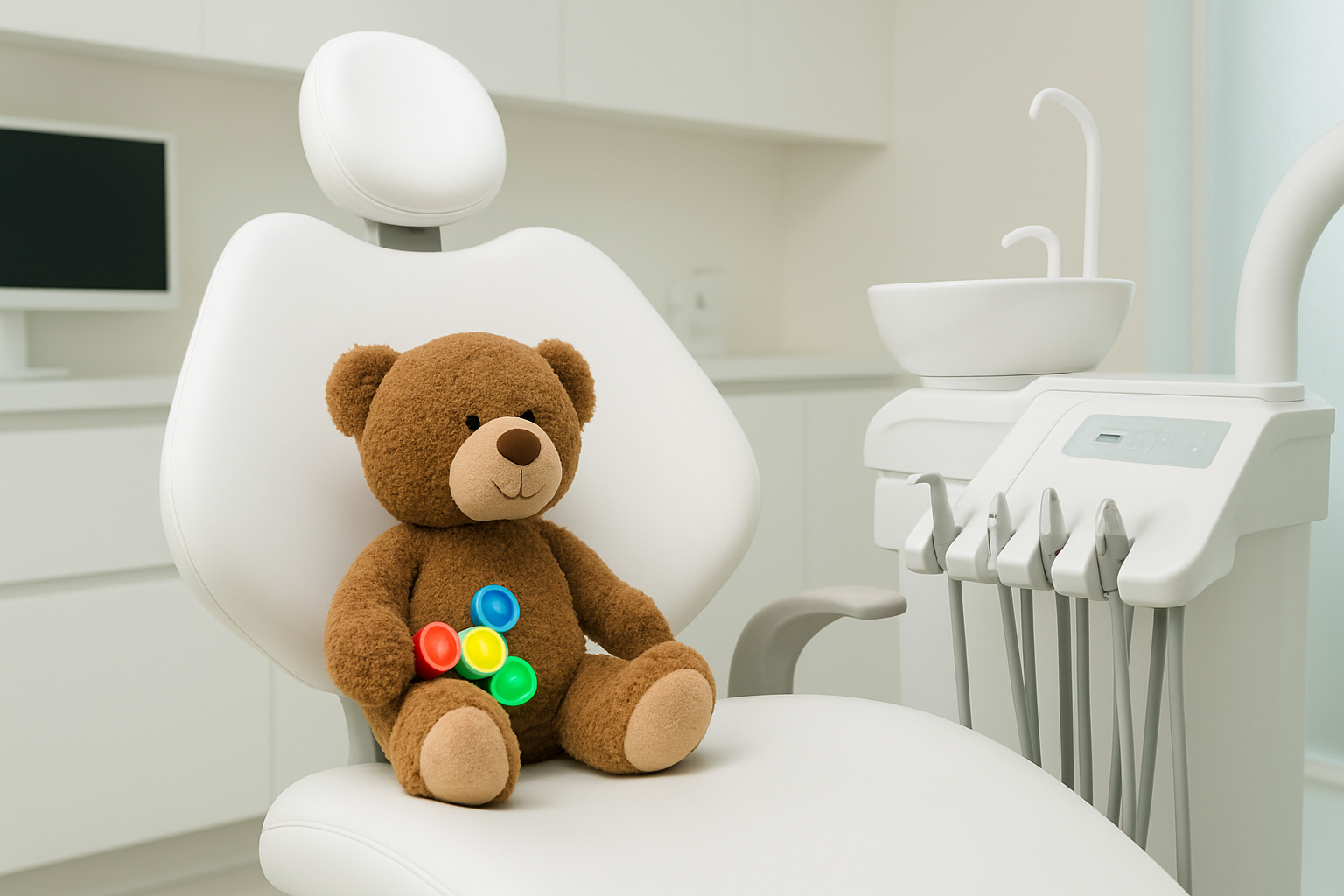
Our approach for ADHD patients is based on five complementary strategies. The first is micro-stage segmentation: we divide each procedure into 10-15 minute blocks with active breaks in between, which prevents sensory overload and maintains cooperation. The second is immediate positive reinforcement: tangible reward systems —stickers, brief playtime— after each completed phase to reinforce cooperative behavior. The third is environment gamification: visual sand timers, interactive apps, and behavioral modeling with simple language that help the patient anticipate what will happen. The fourth is reduction of sensory stimulation: noise-canceling headphones with music, sunglasses, and controlled operatory temperature. The fifth, when clinically justified, is coordinated pharmacological support with the pediatric neurologist, which may include adjusting the patient’s usual medication for the appointment.
What Makes Our Special Needs Care Unique?
The difference between a conventional dental clinic and one that correctly treats special needs patients lies not only in technique but in the team’s training, the configuration of the space, and the willingness to invest the time each patient needs. At Asensio Dental Clinic, our team receives continuous training in cognitive-behavioral techniques, psychological first aid, and crisis management, ensuring an empathetic and effective response to any contingency during the visit.
Our clinical space is adapted to reduce sensory stimulation and facilitate mobility for patients with physical limitations. Our sedation protocols are validated and applied under continuous monitoring by trained personnel. Each treatment plan is designed in coordination with the patient’s caregivers or family members, who actively participate in preparing for each visit.
This care is part of our oral medicine in Valencia specialty. If the patient also experiences jaw or joint pain, you can visit our page on TMJ dysfunction.
Frequently Asked Questions about Special Needs Patients
What is a special needs patient in dentistry?
It is any person who, for medical, cognitive, physical, or psychological reasons, requires a care protocol that differs from the standard. This includes patients with Alzheimer’s, ADHD, cerebral palsy, intellectual disabilities, autism spectrum disorders, severe systemic diseases, or severe dental phobia.
Can an Alzheimer’s patient be sedated for a dental visit?
Yes. Conscious sedation with nitrous oxide is a safe and common option for Alzheimer’s patients who cannot cooperate during treatment. It is administered under continuous monitoring and does not cause loss of consciousness. In more complex cases, we evaluate deep sedation in coordination with the patient’s medical team.
How is a child with ADHD treated at the dentist?
We divide the treatment into short 10-15 minute sessions with frequent breaks, use positive reinforcement, adapt our language and the environment to reduce sensory stimulation, and integrate visual tools like timers. In cases that require it, we coordinate with the pediatric neurologist for pharmacological support prior to the appointment.