 96 382 55 77


Biomaterials in dentistry are materials designed to interact with the living tissues of the body, improving oral functionality and facilitating advanced treatments such as implants, restorations, and tissue regeneration.
Choosing the right material largely determines the success of a dental treatment. A biomaterial that is not biocompatible or lacks the appropriate mechanical properties can lead to implant failure, tissue rejection, or the need for re-intervention. Therefore, the knowledge and selection of biomaterials is a specialized competency that not all dentists master equally.
At Asensio Dental Clinic, we integrate cutting-edge biomaterials into all our treatments. Our oral medicine specialty in Valencia ensures that every material used is scientifically validated and the most suitable for each case. The first visit is completely free of charge.
Applications of Biomaterials in Dentistry
Biomaterials play a fundamental role in modern dentistry because they are present in virtually all medium and high-complexity treatments. Their application ranges from the simplest restorations to the most advanced surgical procedures, and the quality of the material used directly determines the longevity and success of the treatment.
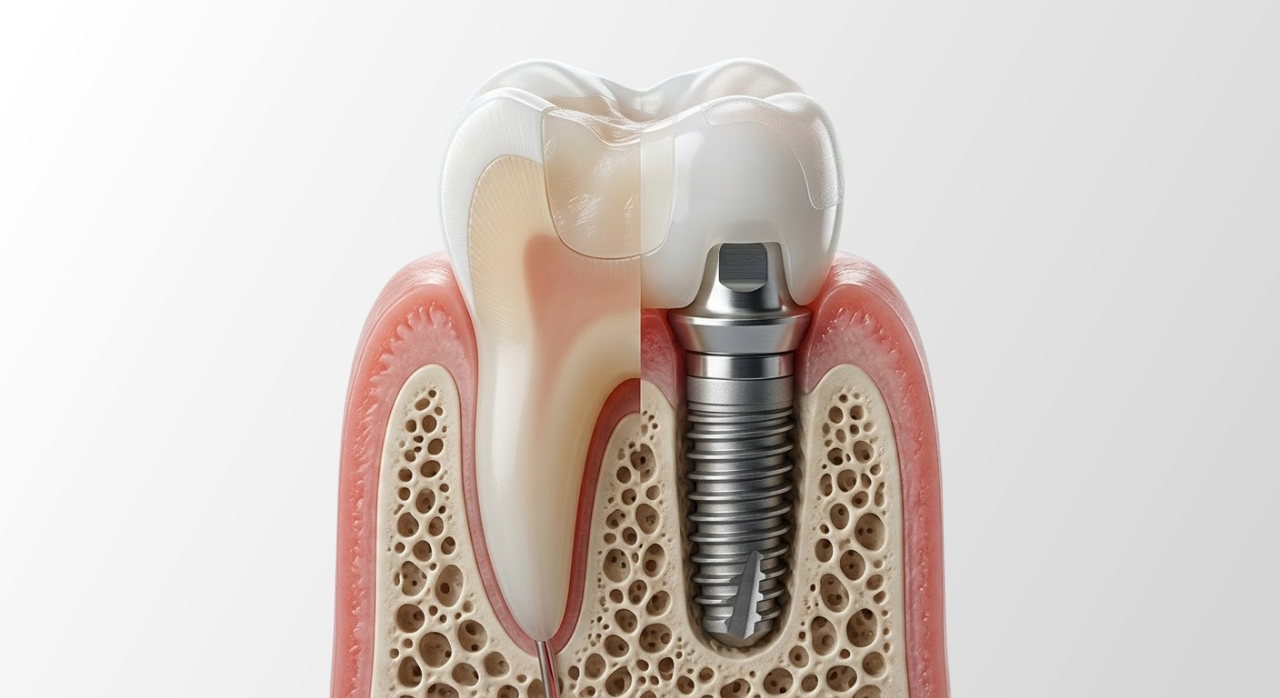
In the field of implantology, biomaterials are the central element. Implants made of pure titanium or titanium alloys are the gold standard due to their exceptional biocompatibility: titanium forms a direct bond with bone tissue through a process called osseointegration, which allows the implant to anchor to the jawbone in a stable and lasting way. In cases where aesthetics are a priority —especially in the anterior zone— zirconia implants offer a metal-free alternative with comparable mechanical properties.
Dental restorations use composites —ceramic-filled resins— and ceramics of various compositions depending on the area and function. Modern high-viscosity composites allow for restorations in posterior sectors with good compressive strength, while feldspathic ceramics and zirconia are used in crowns and veneers where aesthetics are decisive. For bone and gingival regeneration, resorbable collagen membranes, synthetic hydroxyapatite, and both autologous and animal or synthetic graft materials are used.
| Application | Primary Biomaterial | Function |
|---|---|---|
| Dental Implants | Titanium and Zirconia | Replacement of missing teeth through osseointegration |
| Restorations | Composites and Ceramics | Reconstruction of damaged teeth with natural aesthetics |
| Bone Regeneration | Hydroxyapatite and Membranes | Recovery of lost bone volume |
| Orthodontics | Polymers and Metal Alloys | Brackets, archwires, and clear aligners |
Types of Dental Biomaterials
Biomaterials used in dentistry are classified according to their chemical nature into four main groups, each with specific properties that determine its clinical indication. This classification is not merely academic: knowing the characteristics of each type allows the specialist to select the most suitable material for each situation and explain to the patient why one or another is used in their treatment.
Metallic biomaterials are the most commonly used in implantology and implant-supported prostheses. Commercially pure titanium and its alloys —especially Ti-6Al-4V— offer a unique combination of biocompatibility, mechanical strength, and lightness that no other material matches for implant function. Cobalt-chromium alloys are used in prosthetic structures when high strength is required with minimal metal thickness.
Ceramic biomaterials include zirconia, feldspathic porcelain, reinforced leucite, and lithium disilicate. Zirconia is the ceramic material with the highest mechanical strength and is used in both implant prostheses and individual crowns. Feldspathic porcelain offers the greatest translucency and is used in veneers and restorations in the anterior sector where aesthetics are critical. Lithium ceramics combine strength and aesthetics for restorations in posterior sectors.
Polymeric biomaterials include composite resins for restorative use, acrylic resins for prosthetic bases, and high-performance polymers like PEEK —polyetheretherketone— which is used as a metal alternative in load-bearing prosthetic structures. Natural and synthetic biomaterials for regeneration —collagen, hydroxyapatite, beta-tricalcium phosphate, bioglass— are the key players in bone augmentation procedures that precede implant placement in jaws with volume deficiency.
Advantages and Innovations in Dental Biomaterials
Research in biomaterials is advancing at an unprecedented rate, driven by the needs of a dentistry that is increasingly demanding in long-term aesthetic and functional results. The most relevant innovations of recent years have direct implications for daily clinical practice.
Nanotechnology applied to composites has allowed for the incorporation of nano-sized filler particles that simultaneously improve mechanical strength, surface polish, and color stability. Today’s nanohybrid composites offer properties that, ten years ago, only ceramics possessed. Bioactive materials —which actively stimulate enamel remineralization or the formation of new bone— represent another qualitative leap: it is no longer just about replacing lost tissue, but about inducing the body’s own biological regeneration.
3D printing with dental biomaterials has transformed the manufacturing of restorations, splints, surgical guides, and even structures for bone regeneration. Digital production allows for a precision of fit impossible with conventional techniques and reduces manufacturing times from days to hours. At Asensio Dental Clinic, we incorporate these technologies into our protocols to offer each patient the most advanced solution available.
Frequently Asked Questions about Biomaterials in Dentistry
Which biomaterial is used in dental implants?
Commercially pure titanium and its alloys are the gold standard in implantology. Their exceptional biocompatibility allows for osseointegration —the direct bond between the implant and the bone— with success rates exceeding 95% over ten years. In cases where aesthetics are a priority or metal sensitivity exists, zirconia implants offer a valid alternative with comparable mechanical properties.
Are composites safe for restoring teeth?
Yes. Current dental composites are made of methacrylate resins and high-purity ceramic fillers, without mercury or toxic components. They are biocompatible materials, aesthetically excellent, and possess adequate durability for restorations in all sectors of the mouth when applied with the correct technique.
What is hydroxyapatite and what is it used for?
Hydroxyapatite is the primary mineral in bone and dental enamel. In synthetic form, it is used as a filler material in bone regeneration procedures prior to implant placement. Its chemical composition, identical to that of human bone, promotes integration and the formation of new bone. It is also incorporated into some toothpastes and restorative materials for its ability to remineralize enamel.