 96 382 55 77


To reduce gum inflammation you have to remove whatever is causing it, and in most cases that’s bacterial plaque built up along the gumline, a condition called gingivitis. When plaque is removed in time and with the right technique, the inflammation subsides and the gums regain their pink colour and firmness within one to two weeks.
Red, swollen gums that bleed when you brush are worrying, and it’s common to end up searching for home remedies without knowing whether they’ll be enough. The answer depends on the cause: mild inflammation from poor hygiene can be resolved at home, but if there’s tartar, periodontal pockets or symptoms that have lasted weeks, no mouthwash is going to fix it. In this guide we explain why gums become inflamed, what you can do yourself, and when you need a professional.
At Asensio Dental Clinic, Dr. Lucía Asensio Romero (Registration No. 46002287) leads our periodontics team in Valencia and assesses every case of inflamed gums to tell a reversible gingivitis apart from a periodontitis that is already affecting the bone. The first visit is completely free and includes diagnosis with a digital panoramic X-ray and a 3D scan.
Why gums become inflamed
Healthy gums are pink, firm and don’t bleed when you brush or floss. When they turn a deep red, look shiny or swollen and bleed easily, the body is responding to an irritant. Identifying that irritant is what decides how to reduce the inflammation, because the solution for plaque-related gingivitis isn’t the same as for inflammation caused by medication or hormonal changes.
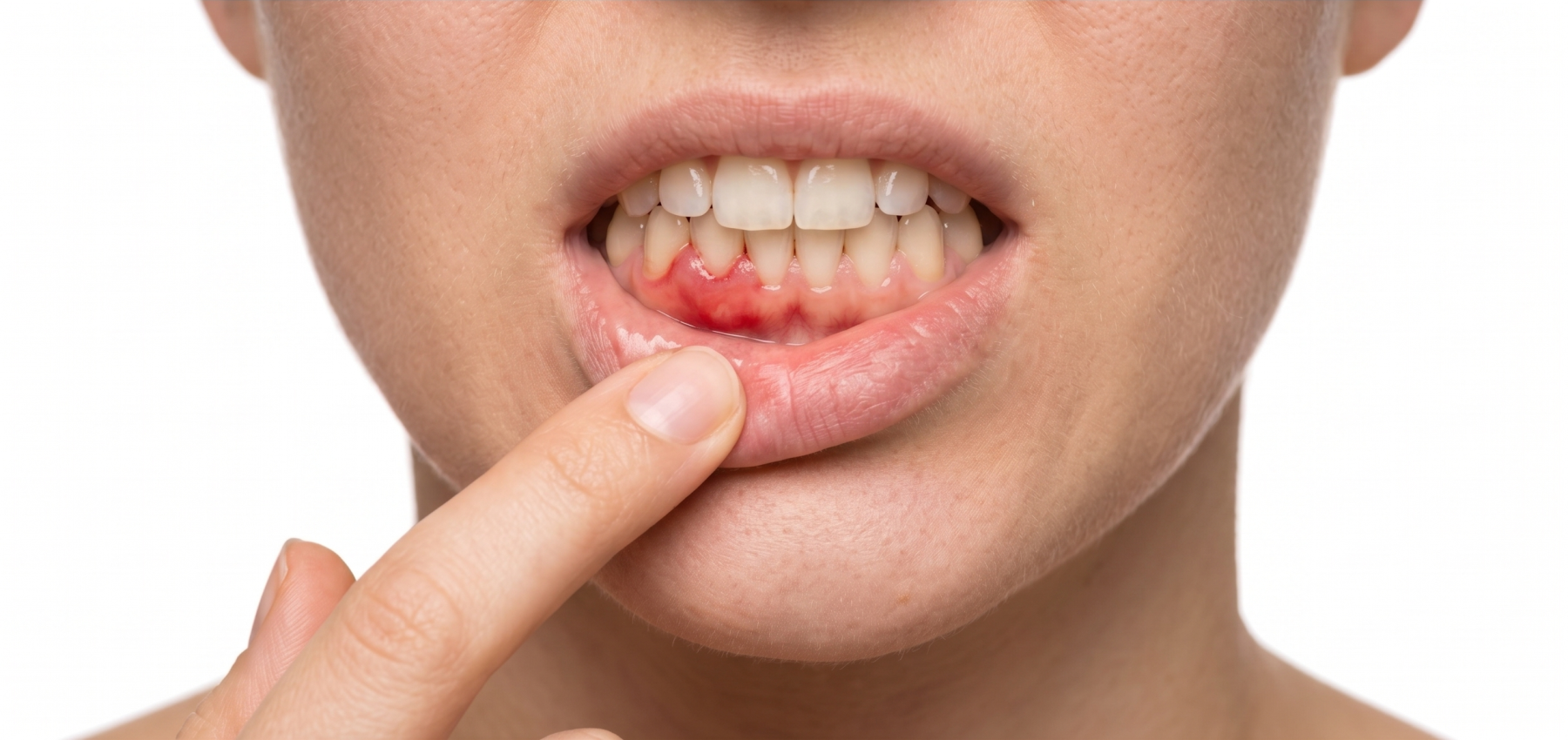
Bacterial plaque and tartar
This is the most common cause. Plaque is a film of bacteria that forms on the teeth within hours of brushing; if it isn’t removed, it hardens into tartar, which only a professional can remove. The bacteria at the gumline release toxins that trigger the inflammation, which is why bleeding shows up first in areas the brush doesn’t reach well, especially between the teeth and on the inner surface of the lower front teeth.
Hormonal changes
During pregnancy, puberty or menopause, the gums react more strongly to the same amount of plaque. Pregnancy gingivitis is very common and usually improves after birth; you can read more on our page about dentistry during pregnancy and breastfeeding.
Smoking, diabetes and stress
Smoking reduces blood flow to the gums and masks bleeding, so the inflammation can be well advanced without obvious warning signs. Poorly controlled diabetes and prolonged stress weaken the body’s defences and make gingivitis progress faster.
Medication, and poorly fitting prostheses or appliances
Some drugs, such as certain blood pressure medicines, anticonvulsants or immunosuppressants, can cause the gum tissue to overgrow. In addition, an overhanging crown, a poorly fitted prosthesis or orthodontic appliances make cleaning harder and encourage plaque build-up.
| Cause | Typical appearance | Can it be resolved at home? |
|---|---|---|
| Recent bacterial plaque | Red gums that bleed when brushing | Yes, with proper hygiene |
| Built-up tartar | Persistent inflammation, bad breath | No, needs professional cleaning |
| Hormonal changes | Very sensitive, swollen gums | Partly, with professional monitoring |
| Medication | Enlarged gum covering part of the tooth | No, the prescription needs reviewing with your doctor |
| Periodontitis | Receding gums, pockets, loose teeth | No, needs periodontal treatment |
How to reduce gum inflammation at home
If the inflammation is recent and mild, home care may be enough to reverse it. Everything comes down to one idea: remove plaque every day without damaging the gum. These are the steps that work best, in order of importance.
1. Improve your brushing technique
Use a soft-bristled brush, angle the bristles about 45 degrees towards the gumline and make short, gentle movements for two minutes, twice a day. Brushing harder doesn’t clean better and can injure the gum and make it recede. Our guide to tooth brushing explains the technique in detail.
2. Clean between your teeth every day
Most gingivitis starts in the spaces between the teeth, where the brush can’t reach. Use dental floss or interdental brushes once a day. It’s normal for them to cause bleeding at first; if your technique is correct, the bleeding decreases within a few days as the gum calms down, and that’s the sign it’s working.
3. Rinse with warm salt water
Dissolving half a teaspoon of salt in a glass of warm water and rinsing gently can ease discomfort and swelling temporarily. It’s a support measure, not a treatment: it doesn’t remove plaque or tartar.
4. Avoid what makes inflammation worse
Give up smoking as far as you can, cut back on alcohol and alcohol-based mouthwashes, which dry and irritate the gums, and don’t apply products such as aspirin or undiluted hydrogen peroxide directly to the gum, as they can cause chemical burns. Chlorhexidine mouthwash should only be used if your dentist recommends it and for short periods, because it stains the teeth and alters taste.
5. Look after your diet
Cutting back on sugar and sticky foods limits what the bacteria feed on, and a diet rich in crunchy fruit and vegetables helps clean the mouth naturally. You can go deeper into the link between diet, hygiene and breath on our diet, hygiene and halitosis page.
If after 7 to 10 days of rigorous hygiene your gums haven’t improved, stop trying remedies and book an appointment: there’s almost certainly tartar or another cause that home care can’t resolve.
When home remedies aren’t enough
Gingivitis is reversible, but if it’s ignored it can progress to periodontitis, a chronic infection that destroys the bone holding your teeth in place and can no longer be cured with hygiene alone. That’s why it’s worth recognising the signs that mean you should see a specialist rather than keep waiting.
Bleeding that lasts more than two weeks despite better hygiene, persistent bad breath, teeth that look longer because the gums are receding, or new gaps between the teeth are warnings that the problem goes deeper than the surface. If you also notice a tooth moving, that’s a sign of bone loss and needs assessing as soon as possible; we explain the causes in our guide on why teeth move.
Some situations need faster attention: inflammation with severe pain, a lump with pus on the gum, or facial swelling with fever can indicate an abscess. In those cases don’t wait for your next check-up, and read about when to see an emergency dentist.
| Sign | What it may indicate | What to do |
|---|---|---|
| Mild bleeding that improves within 1-2 weeks | Plaque-related gingivitis | Step up home hygiene |
| Bleeding or inflammation lasting more than 2 weeks | Tartar or early periodontitis | Book a check-up |
| Receding gums, new gaps, constant bad breath | Periodontitis | Periodontal assessment as soon as possible |
| A tooth that moves | Loss of supporting bone | Periodontal assessment as soon as possible |
| Severe pain, pus or swelling with fever | Possible abscess | Urgent care |
Professional treatment to reduce gum inflammation
When the cause is tartar or periodontal disease, the inflammation only resolves by removing what’s sustaining it, and that requires instruments and anaesthesia that can’t be replicated at home. Treatment is tailored to the severity of the case after a full diagnosis.
Professional dental cleaning
In gingivitis with tartar, a professional cleaning removes the tartar and plaque the brush can’t reach and polishes the surfaces to make it harder for them to stick again. After it, the gums usually calm down within a few days if daily hygiene is maintained.
Scaling and root planing
If the infection has formed periodontal pockets, scaling and root planing is carried out under local anaesthesia to clean the roots below the gumline and let the gum reattach to the tooth. It’s the reference treatment for periodontitis. For patients with anxiety or high sensitivity, we offer conscious sedation with nitrous oxide.
Re-evaluation and maintenance
After treatment, the response is re-evaluated and, where deep pockets persist, periodontal surgery is considered. Regular maintenance every 3 to 6 months is what stops the inflammation coming back. You can see the whole approach on our periodontal treatment in Valencia page.
If your gums have been inflamed or bleeding for a while, the first step is a diagnosis: at your free first visit we assess the condition of your gums and bone and tell you what you actually need, with no unnecessary treatments.
Frequently asked questions about reducing gum inflammation
How long does it take for inflamed gums to go down?
Mild gingivitis usually improves within 7 to 14 days with proper hygiene. If there’s tartar, improvement comes within a few days of the professional cleaning. If it’s no better after two weeks, the cause needs reviewing.
What’s good for reducing gum inflammation quickly?
The most effective step is removing plaque with gentle brushing and daily interdental cleaning. Warm salt-water rinses ease discomfort temporarily, but they don’t replace hygiene or professional cleaning.
Does gingivitis go away on its own?
Not without addressing the cause. If plaque is removed, gingivitis fully reverses; if it’s left, it can progress to periodontitis, which does leave permanent damage to the bone.
Is it normal for gums to bleed when brushing?
No, although it’s very common. Bleeding indicates inflammation. If it starts when you begin flossing and disappears within a few days, that’s expected; if it persists, it’s worth getting checked.
Can gingivitis be passed on?
The bacteria involved can be transmitted through saliva, but whether disease develops depends on each person’s hygiene and susceptibility. We explain it in our article Kisses that spread infection?.
Can inflamed gums be caused by bruxism?
Bruxism alone doesn’t cause gingivitis, but the excessive forces make bone loss worse if periodontal disease is already present. You can read more in our bruxism guide.





