 96 382 55 77


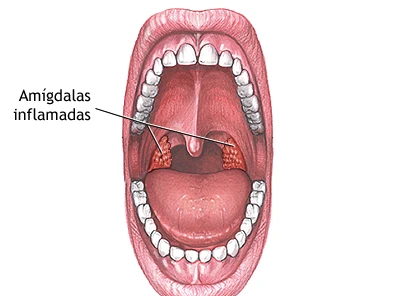
Swollen tonsils or tonsillitis is the inflammation of the palatine tonsils — two masses of lymphatic tissue located on both sides of the back of the throat — mainly caused by bacterial or viral infections, manifested by severe pain when swallowing, fever, and sometimes visible pus patches.
Tonsillitis is more common in children but can affect adults of any age. Although its treatment falls under a family doctor or an otolaryngologist, it has a direct relationship with oral health: the bacterial load of the oral cavity influences the frequency and severity of episodes, and poor oral hygiene can favor its appearance.
At Asensio Dental Clinic, Dr. Lucía Asensio Romero (Registration No. 46002287) recommends maintaining optimal oral hygiene as a preventive measure against oropharyngeal infections. The first visit is completely free.

What are tonsils and what is their function?
Tonsils are two masses of lymphatic tissue located on both sides of the back of the throat. Their primary function is to act as filters, trapping germs (bacteria and viruses) that enter through the mouth or nose to prevent infections in the rest of the body. Being a protective barrier, they are especially prone to inflammation when the body fights a pathogen.
Causes of tonsil inflammation
Inflammation of the tonsils (tonsillitis) mainly occurs due to bacterial or viral infections. Strep throat is one of the most common bacterial causes requiring professional attention. On the other hand, viruses such as those causing the common cold, flu, or mononucleosis are also frequent culprits of this discomfort. In the dental field, poor hygiene can favor the accumulation of bacteria in the oropharyngeal area.
Symptoms of swollen tonsils
Symptoms can vary depending on the severity of the infection, but the most common include:
Severe sore throat and difficulty swallowing.
Visible swelling and redness of the tonsils.
Presence of white or yellowish patches (pus).
Fever and chills.
Bad breath (halitosis) resulting from the infection.
Swollen lymph nodes in the neck.
Medical treatment for tonsillitis
Treatment focuses on eliminating the causing agent. If the infection is bacterial, the doctor will prescribe antibiotics that must be strictly completed. If the cause is viral, treatment focuses on relieving symptoms through analgesics and anti-inflammatories, in addition to adequate rest to allow the immune system to recover.
Home remedies to relieve discomfort
To complement medical treatment and reduce pain, the following are recommended:
Warm salt water gargles: They help disinfect and reduce local inflammation.
Constant hydration: Consuming broths, hot teas, or fresh water to keep the mucosa hydrated.
Avoid irritants: Do not smoke and avoid very acidic or spicy foods while the inflammation lasts.
Strict oral hygiene: Change your toothbrush after the infection to avoid reinfections.
Tips for preventing inflammation
Prevention involves reducing exposure to pathogens:
Hand hygiene: Wash your hands frequently to prevent the spread of viruses.
Do not share utensils: Avoid sharing glasses, cutlery, or toothbrushes.
Oral health: Undergo professional dental cleanings to keep the mouth’s bacterial load under control.
Myths and realities about tonsils
A common myth is believing that only children suffer from tonsillitis. Although it is more common in them, adults can also suffer from it, often with more persistent symptoms. Another myth is that “you always have to operate.” Currently, surgery (tonsillectomy) is only recommended in cases of chronic or recurrent tonsillitis that seriously affects quality of life.
The importance of early diagnosis
Detecting bacterial tonsillitis in time is vital to avoid complications such as a peritonsillar abscess or rheumatic problems. If a sore throat persists for more than 48 hours or is accompanied by a high fever, it is essential to see a specialist for a precise evaluation.
Lifestyle and oropharyngeal health
Factors such as smoking, excessive alcohol consumption, and a diet poor in vitamins weaken the mouth’s defenses. Adopting a healthy lifestyle and attending periodic check-ups at your trusted dental clinic are the best tools for keeping your tonsils and throat in perfect condition.
Proper oral hygiene is the first line of defense against bacterial buildup in the oral cavity. Consult our complete guide on dental hygiene and halitosis in Valencia to learn the most effective hygiene protocol. This information is part of our other dental treatments in Valencia area.
This information is part of our oral medicine in Valencia specialist area.